Understanding FODMAPs and Gut Comfort - Group Talk - Week Commencing 14th March 2026.
- friendsonajourney2
- Mar 25
- 2 min read
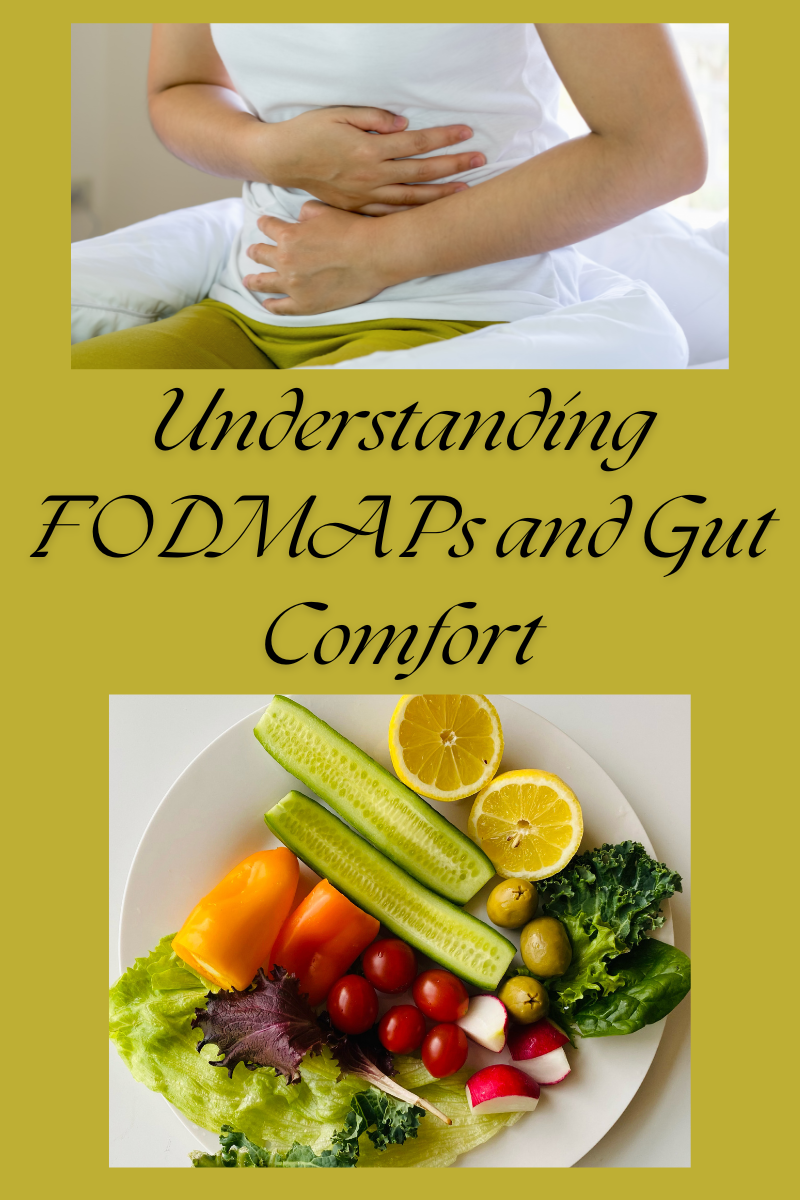
“Have you ever eaten something healthy but still felt bloated afterwards?”
“Who here sometimes gets bloating, wind, or stomach discomfort after meals?”
Many people think these symptoms mean something is “wrong” with their digestion. Often it’s actually about how certain carbohydrates are fermented in the gut. These are called FODMAPs.
What Are FODMAPs?
FODMAP stands for:
F – Fermentable
O – Oligosaccharides pronounced ol-i-goh-SAK-uh-rydz
D – Disaccharides pronounced dye-SACK-uh-rydes
M – Monosaccharides pronounced mon-oh-sack-uh-ryed
A – And
P – Polyols
These are types of carbohydrates that are poorly absorbed in the small intestine.
When they reach the large intestine, gut bacteria ferment them, producing gas and drawing in water, which can lead to bloating and discomfort.
“Can anyone guess which foods might contain these types of carbs?”
Common High-FODMAP Foods
Oligosaccharides Onions, Garlic, Wheat, Beans and lentils
Disaccharides Lactose in milk, soft cheese, yogurt
Monosaccharides Excess fructose in: Apples, Honey, Mango
Polyols Sugar alcohols found in: Stone fruits (plums, cherries), Artificial sweeteners like sorbitol
“Which of these foods do you eat most often?”
These foods are not unhealthy. They’re actually very nutritious. The issue is how some people’s gut handles them.
What Is the Low-FODMAP Diet?
Explain that the diet has three stages.
1. Elimination (short term)
Reduce high-FODMAP foods for 4–6 weeks.
Goal:
Calm gut symptoms.
2. Reintroduction
Foods are slowly added back one category at a time.
Goal:
Identify personal triggers.
3. Personalisation
Create a long-term diet that only limits problem foods.
Important point:
It’s not meant to be a lifelong strict diet. It’s a tool to discover your triggers.
How This Relates to Weight Loss
The low-FODMAP diet is not designed for weight loss, but people may notice:
Less bloating
Better digestion
Feeling more comfortable after meals
For a weight-loss if your stomach feels better, it can make it easier to:
Eat regular meals
Choose nutritious foods
Maintain healthy habits
Quick Myth or Fact Game
“Myth” or “Fact.”
1️⃣ “A low-FODMAP diet is meant for everyone.”
➡️ Myth – Mainly for people with symptoms like IBS.
2️⃣ “Onions and garlic are high-FODMAP.”
➡️ Fact
3️⃣ “You should remove all FODMAP foods forever.”
➡️ Myth
Key Take-Home Messages
✅ FODMAPs are types of carbohydrates that can cause bloating in some people.
✅ The low-FODMAP diet is temporary and used to identify triggers.
✅ Many people can reintroduce most foods and still feel well.
“Everyone’s gut is different. The goal isn’t restriction — it’s finding what helps your body feel its best.”
Resources ChatGPT


Comments